
Finding a cockroach scurrying across your kitchen floor is enough to make anyone's skin crawl. These resilient pests multiply quickly, contaminate food, and can trigger allergies and asthma. The good news? You don't have to live with them. Whether you're dealing with a sudden sighting or a full-blown infestation, this guide will show you how to get rid of cockroaches fast using proven methods that actually work.
How to Get Rid of Cockroaches Fast: Start With a Thorough Clean
Speed matters when you're battling roaches, and your first move should always be eliminating what attracts them in the first place. Cockroaches need food, water, and shelter to survive—take these away and you immediately put pressure on the population.
Begin in your kitchen, the most common roach hotspot. Wipe down all counters, sweep floors, and clean under appliances where crumbs accumulate. Don't forget the toaster, coffee maker, and stove drip pans. Store all food in airtight containers, including pet food. Take out garbage daily and use cans with tight-fitting lids.
Next, starve them of water. Fix leaky faucets, tighten loose pipes, and dry out sinks before bed. Even a small water stain on a counter can sustain roaches. In bathrooms, hang wet towels to dry and address any moisture issues around toilets and tubs. The drier your home, the less hospitable it becomes.
Finally, declutter. Cardboard boxes, stacks of paper, and piles of laundry create perfect hiding spots. Switch to plastic storage bins and keep storage areas organized so you can spot problems early.
Target Roaches Where They Hide
Cockroaches are nocturnal and spend most daylight hours squeezed into tiny cracks and crevices. To get rid of cockroaches fast, you need to reach them in these hiding spots, not just the ones you see.
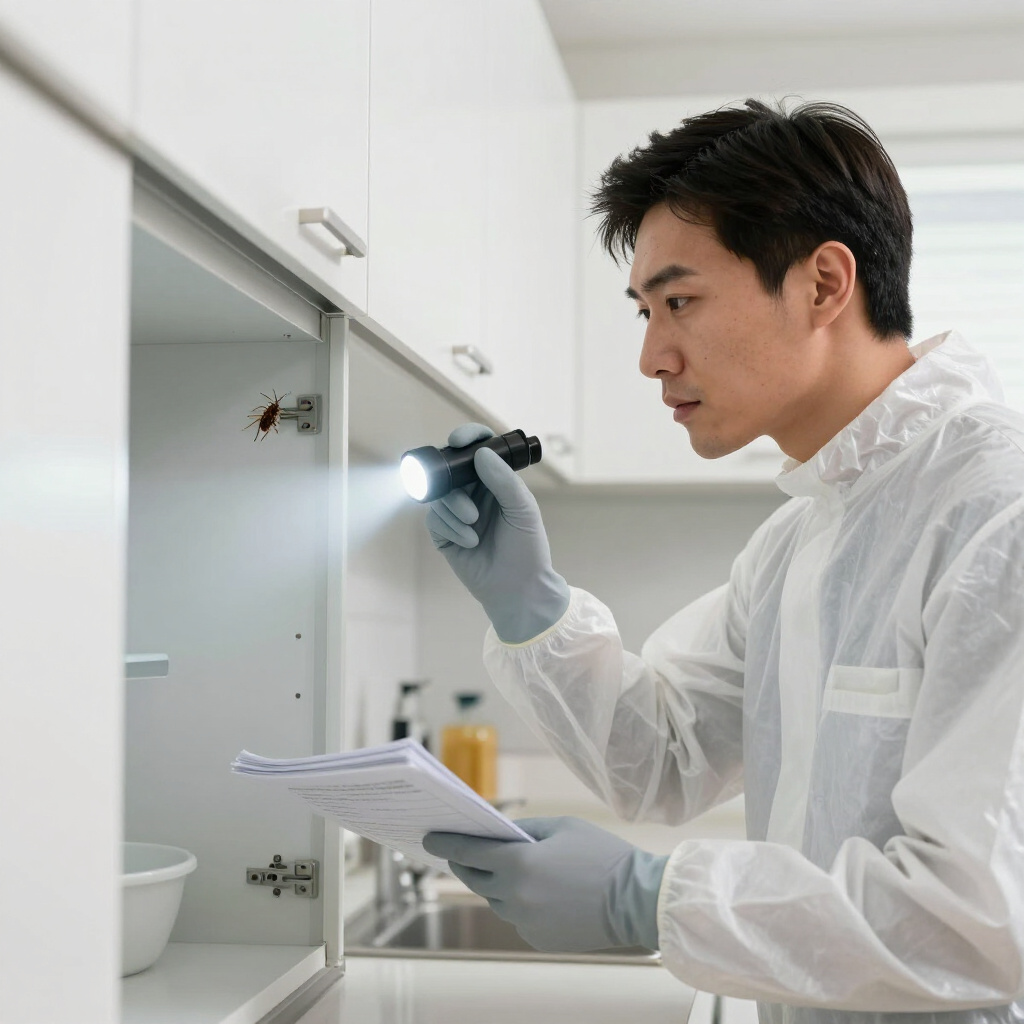
Inspect common harborage areas: behind refrigerators and stoves, under sinks, inside cabinet hinges, around door frames, in wall voids, and near water heaters. Use a flashlight and look for droppings (small black specks resembling coffee grounds), egg cases, or a musty odor.
Seal entry points with caulk or steel wool. Pay special attention to gaps around pipes, electrical outlets, and baseboards. Even holes as small as a dime can admit American cockroaches. Weatherstrip doors and windows, and install door sweeps if gaps exist underneath. The harder you make it for new roaches to enter, the faster your existing population will decline.
Choose the Right Treatment Methods
Once you've cleaned and sealed, it's time for direct action. The fastest results usually come from combining multiple approaches rather than relying on a single product.
Gel baits are among the most effective tools available. Applied as small dots in cracks and crevices, these attract roaches that eat the poison and return to their harborage. Other roaches then consume the poisoned bodies, creating a chain reaction that can eliminate entire colonies. Place baits every few feet in areas of known activity, but never on surfaces where food is prepared.
Insecticidal dusts like boric acid or diatomaceous earth work more slowly but provide long-term control. Apply thin layers in wall voids, under appliances, and other inaccessible areas. These desiccate roaches or disrupt their digestive systems. Always use food-grade diatomaceous earth and keep all dusts away from children and pets.
Roach motels and sticky traps help monitor activity and catch stragglers. While not sufficient alone, they confirm whether your treatment is working and identify where roaches are still active. Place traps perpendicular to walls, as roaches tend to travel along edges.
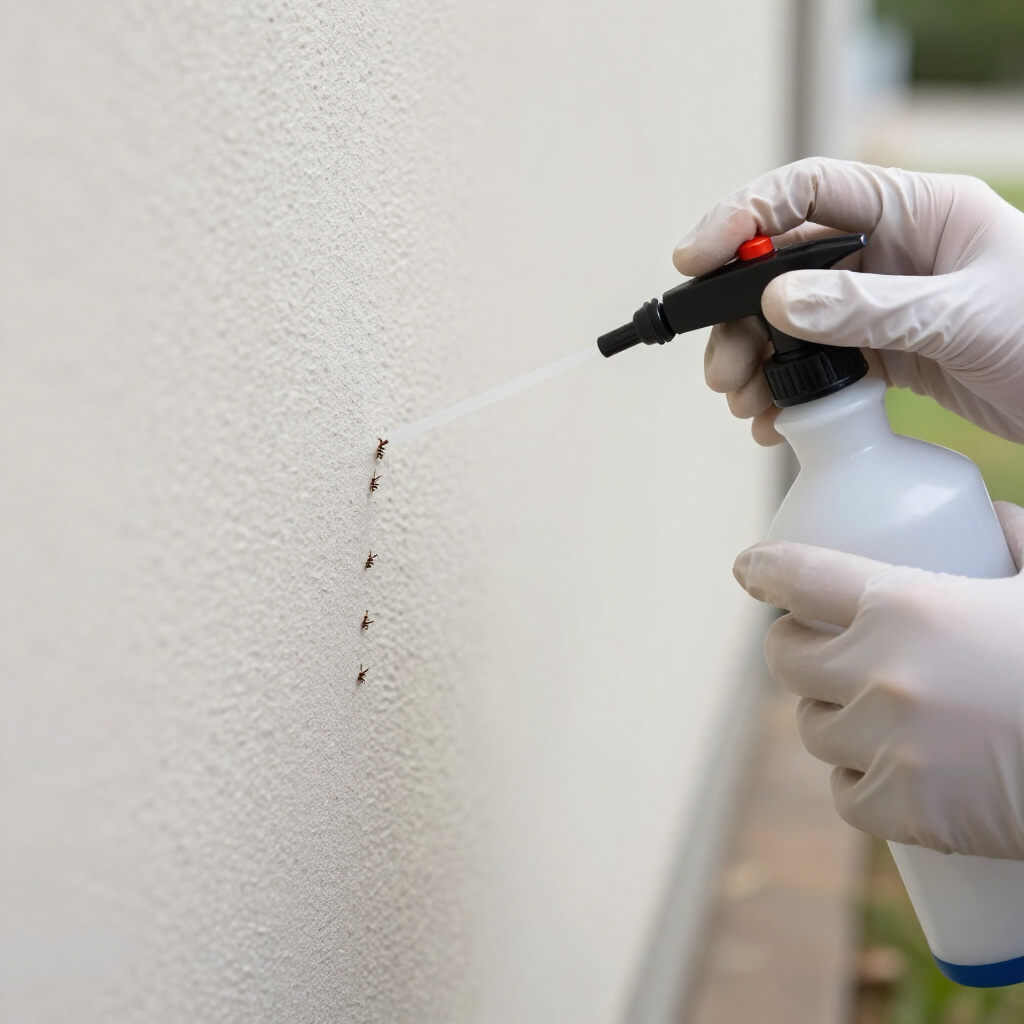
Avoid over-the-counter spray bombs or foggers as your primary solution. These often scatter roaches deeper into walls without killing the colony, and they leave residue on surfaces. If you need immediate knockdown for visible roaches, use a targeted spray in cracks rather than broad application.
Key Tips for Faster, Long-Lasting Results
Speed and consistency go hand in hand. Here are additional strategies to accelerate your success and prevent reinfestation.
Be patient with baits—it can take several days to a week before you see significant die-off, but the colony-wide impact is worth the wait. Don't clean away bait placements prematurely; let the active ingredients do their work. Reapply baits every two weeks until activity stops completely.
Consider your home's unique vulnerabilities. Apartment dwellers may need to coordinate with neighbors and landlords, as roaches travel between units through shared walls and plumbing. Single-family homeowners should check crawl spaces, attics, and garage areas for moisture and entry points.
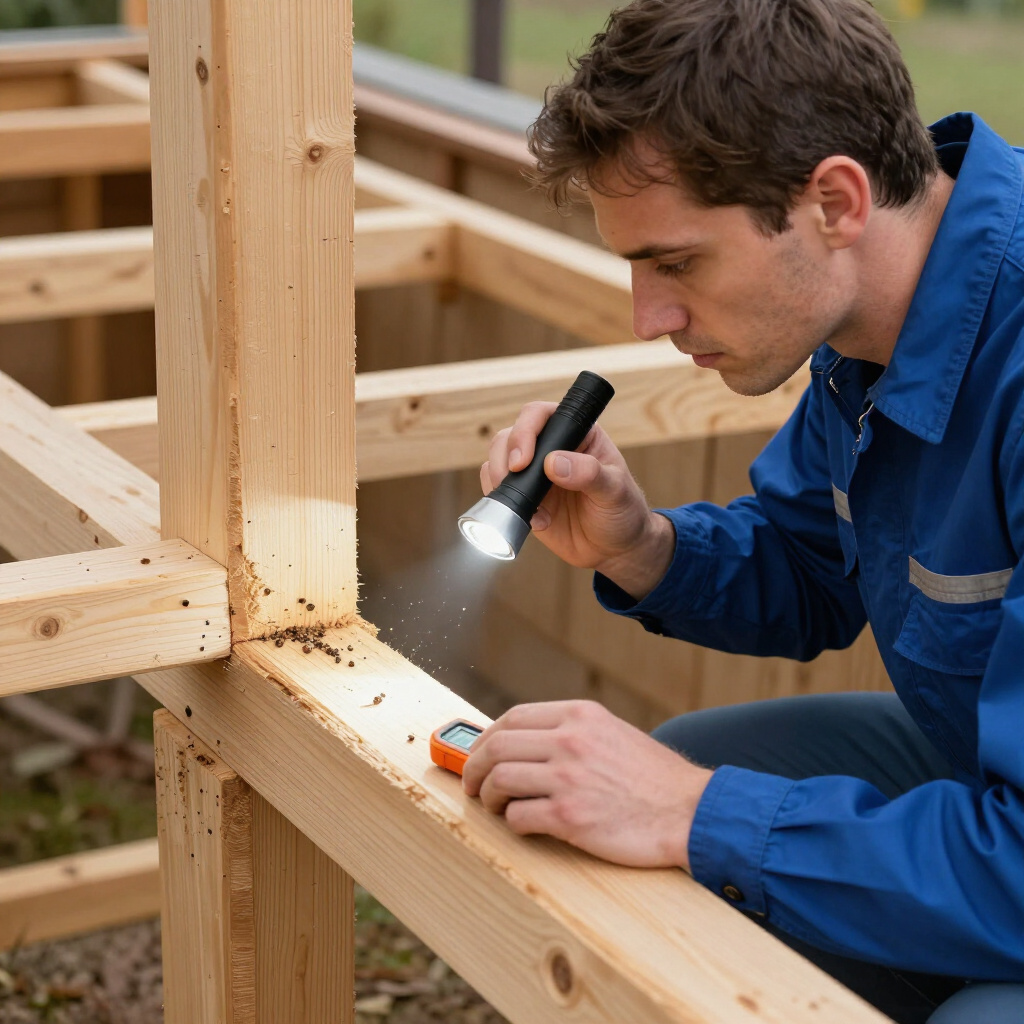
Outdoor maintenance matters too. Keep firewood stacked away from your house, trim vegetation back from exterior walls, and ensure gutters drain properly. American and smoky brown cockroaches often enter from outside, so reducing harborage near your foundation helps keep them at bay.
If you've tried these methods for two to three weeks without improvement, or if you're seeing roaches during daylight hours (often indicating a heavy infestation), it's time to call a professional pest control service. Licensed exterminators have access to stronger formulations and specialized equipment, plus the expertise to identify species-specific behaviors that affect treatment strategy.
Final Thoughts
Getting rid of cockroaches fast requires a smart, layered approach: eliminate food and water sources, seal entry points, apply targeted treatments in hiding spots, and stay consistent with monitoring. No single tactic works alone, but together these methods create an environment where roaches simply cannot thrive. Act quickly at the first sign of trouble, and you'll protect both your home and your peace of mind from these persistent pests.