

There's something unsettling about walking into a room and spotting a spider dangling from the ceiling or scurrying across your floor. Even if you know most household spiders are harmless, sharing your living space with eight-legged roommates isn't on anyone's wish list. The good news? You don't need harsh chemicals or constant anxiety to reclaim your home. With a few smart prevention strategies and a little know-how, you can keep spiders out of your house and enjoy a more peaceful, web-free environment.
How to Keep Spiders Out of Your House by Sealing Entry Points
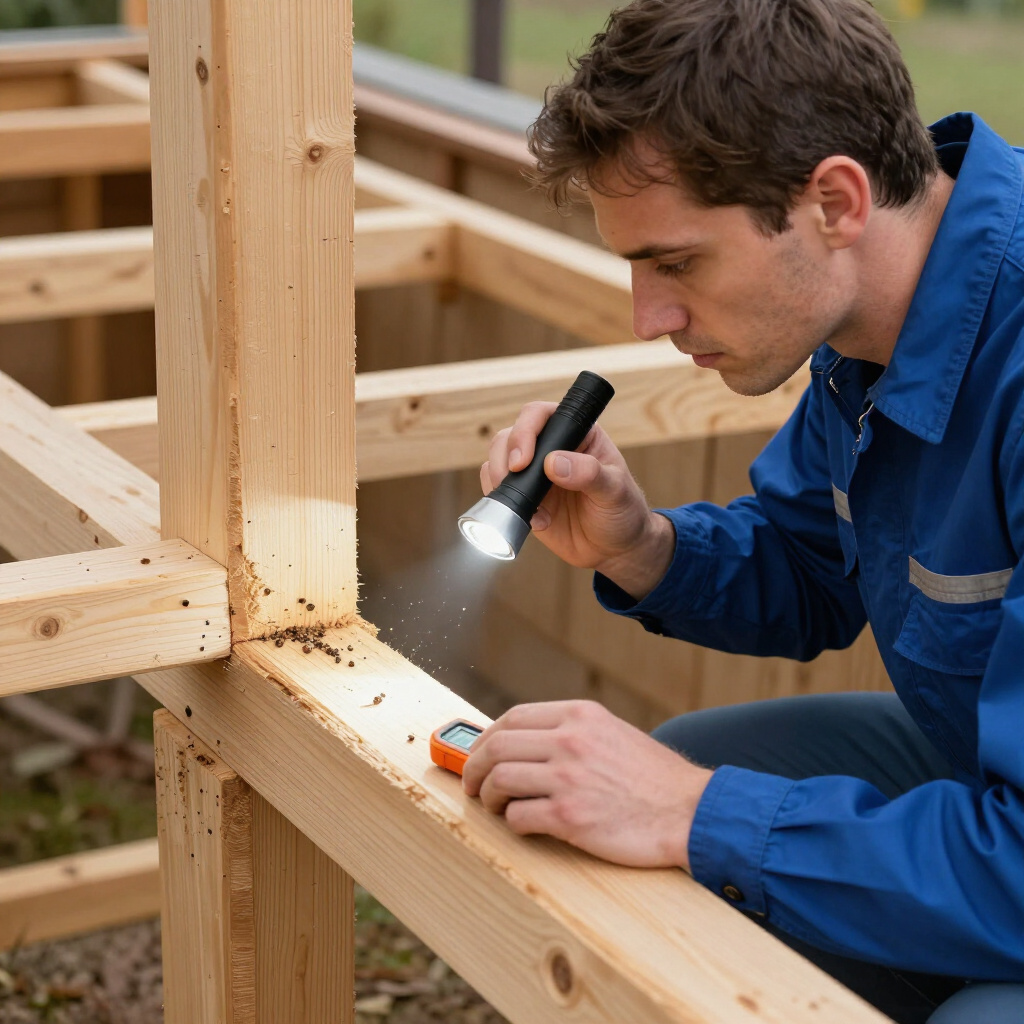
Spiders are master contortionists. A gap as thin as a credit card is all the invitation they need to slip inside. If you want to know how to keep spiders out of your house effectively, start by thinking like one—literally. Walk the perimeter of your home and inspect every potential entryway with a critical eye.
Check around windows and doors for worn weatherstripping, torn screens, or gaps in the framing. Pay special attention to utility penetrations where pipes, cables, or vents enter your home; these are frequently overlooked highways for pests. Use caulk to seal cracks in your foundation, siding, and around baseboards indoors. Door sweeps are inexpensive and remarkably effective at blocking the gap beneath exterior doors. Don't forget your attic and crawl space vents—cover them with fine mesh screens to allow airflow while keeping spiders and other insects outside where they belong.
One often-missed detail: chimney openings and uncapped flues. Spiders, along with other wildlife, can descend right into your living room if these aren't properly protected. A simple chimney cap solves this neatly.
Reduce the Attractions That Bring Spiders Indoors
Here's a truth that transforms spider control: spiders don't come inside for shelter alone. They follow food. And their food is other insects. A home with abundant flies, moths, ants, or small beetles is essentially a spider buffet. Cut off the food supply, and spiders have far less reason to stay—or arrive in the first place.
Start with your outdoor lighting. Insects swarm around bright white lights at night, and spiders set up webs nearby to capitalize on the easy hunting. Switch to yellow-tinted or warm LED bulbs, which are far less attractive to flying insects. Motion-sensor fixtures also help by keeping lights off when not needed.
Inside, practice diligent food storage and waste management. Keep counters clean, store pantry items in sealed containers, and take garbage out regularly. Fix leaky faucets and address moisture issues in basements and bathrooms—damp environments support insect populations that in turn support spiders. The drier and cleaner your home, the less appealing it becomes to the entire food web.
Your landscaping choices matter too. Woodpiles, compost bins, and dense shrubbery pressed against your exterior walls create perfect harborage for spiders and their prey. Maintain at least a foot of clearance between vegetation and your foundation, and store firewood well away from the house, elevated off the ground.
Key Tips for Maintaining a Spider-Resistant Home
Knowing how to keep spiders out of your house is only half the battle—consistent habits make the real difference. Incorporate these practices into your regular home maintenance routine for lasting results.
Declutter with purpose. Spiders love undisturbed, cluttered spaces where they can build webs without interruption. Basements, attics, garages, and closets are prime real estate. Store items in sealed plastic bins rather than cardboard boxes, which spiders can easily infiltrate. Vacuum and dust these areas regularly, paying special attention to corners, ceiling junctions, and behind furniture where webs accumulate.
Use your vacuum strategically. A vacuum with a hose attachment is your best immediate defense against spiders and their webs. When you spot a web, don't just knock it down—vacuum it up along with any egg sacs. Dispose of the bag or empty the canister outside promptly. This removes both the current spider and the next generation.
Apply natural deterrents thoughtfully. While no scent is a magic force field, certain aromas do discourage spiders. Peppermint oil, vinegar, and citrus extracts can be diluted and sprayed along baseboards, window sills, and entry points as supplementary measures. Reapply every few days for continued effect. Diatomaceous earth sprinkled in dry, hidden areas like behind appliances can also help control the insects spiders feed on.
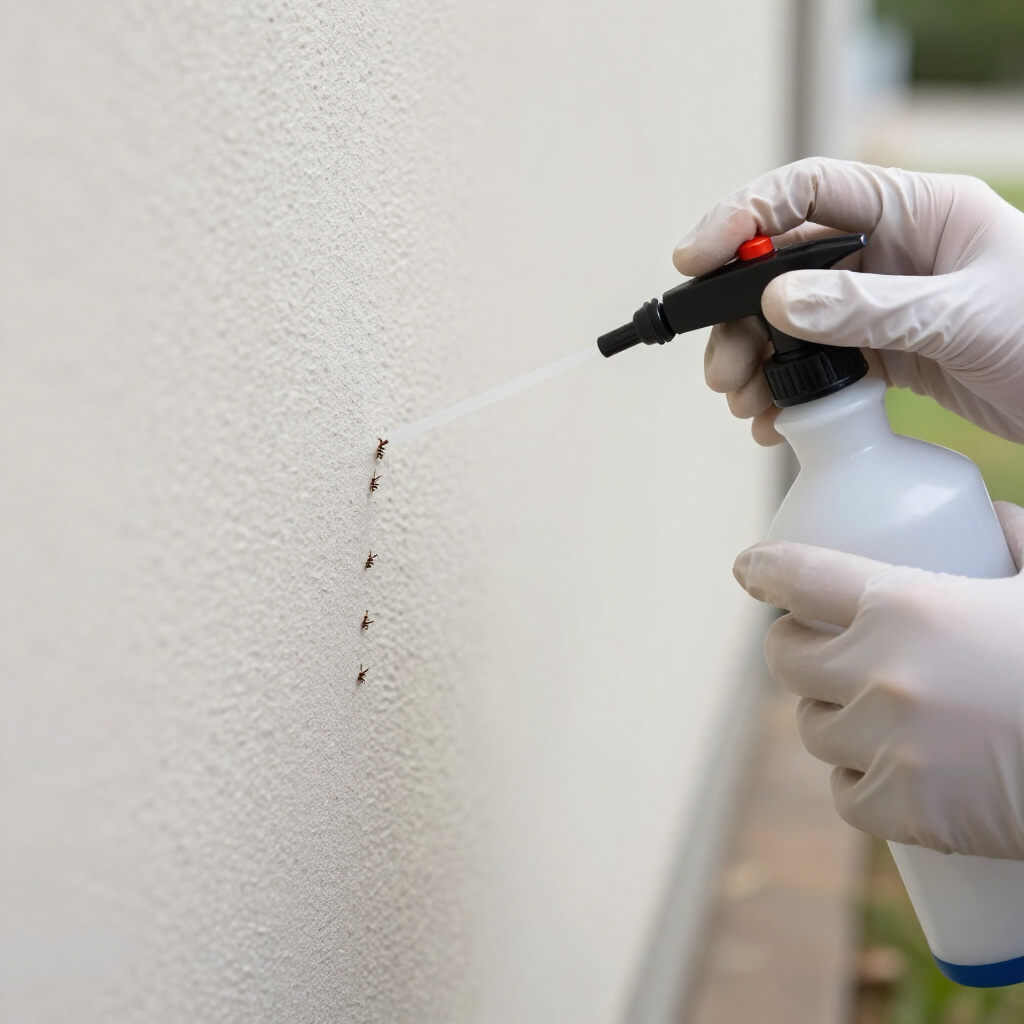
Consider professional perimeter treatment. For persistent problems or homes in heavily wooded areas, a licensed pest control professional can apply targeted exterior treatments that create a protective barrier. This is particularly valuable for homes with recurring spider issues despite your best prevention efforts.
Final Thoughts
Spiders play a valuable role in nature's balance, but that doesn't mean you need to host them in your bedroom. The most successful approach to spider control combines exclusion, environmental management, and consistent maintenance. Seal their pathways, eliminate their food sources, and make your home inhospitable to the insects they hunt.
Remember that patience matters. If you're dealing with an existing spider population, it may take several weeks of consistent effort to see dramatic improvement. Stay the course with the strategies above, and you'll gradually notice fewer webs, fewer sightings, and far less of that sudden jolt of surprise when you're trying to relax at home. A spider-free—or at least spider-minimal—household is absolutely achievable with the right approach.