
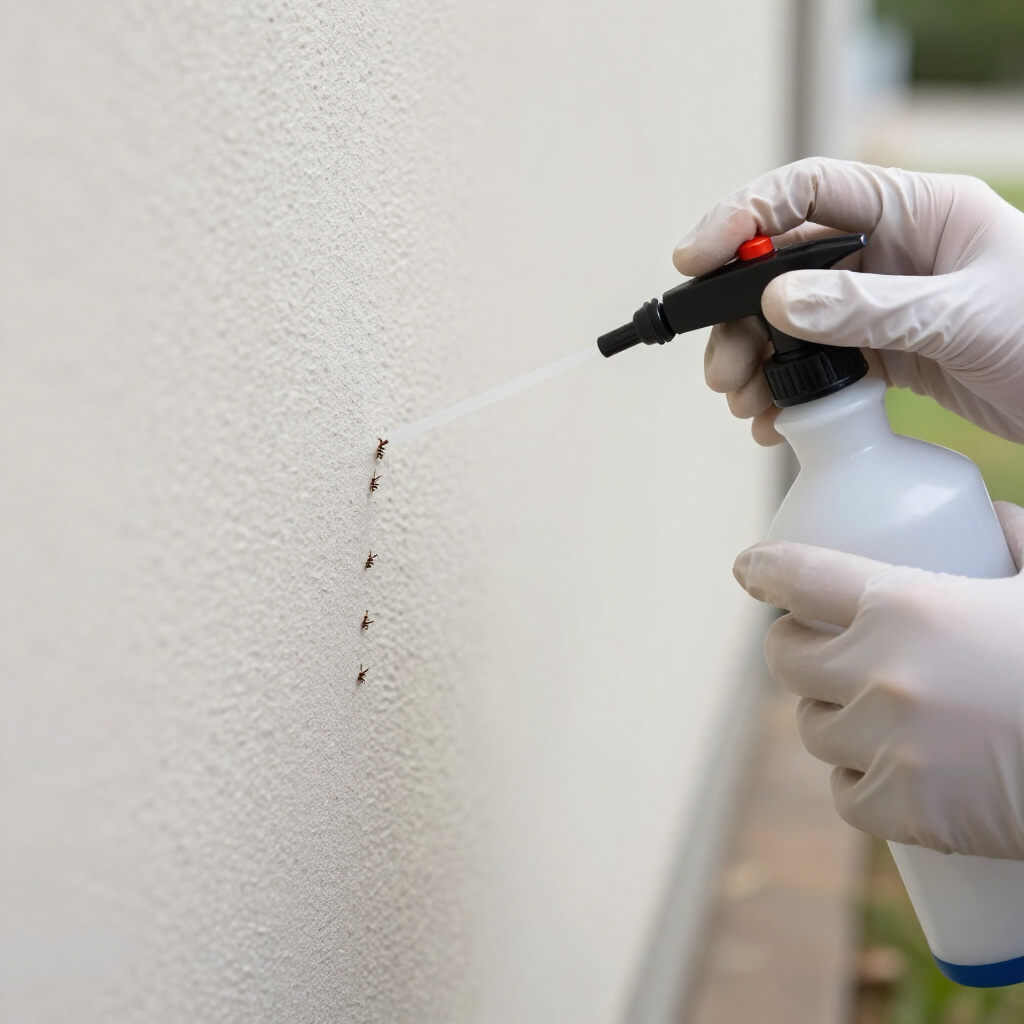


There's nothing quite like the sinking feeling of spotting a trail of ants marching across your kitchen counter. One day your home is peaceful, and the next it seems every ant in the neighborhood has RSVP'd to a feast you didn't plan. The good news? You don't have to resign yourself to sharing your space with these persistent invaders. With the right prevention strategies, you can make your home far less appealing to ants and stop problems before they start.
How to Prevent Ants From Invading Your Home Starts With Understanding Their Motivations
Ants don't enter homes randomly. They're following a biological imperative: find food, water, and shelter for their colony. Worker ants leave scent trails that act as highways for their nest-mates, which explains why you often see them traveling in organized lines. Once a scout discovers something worthwhile, dozens or hundreds can follow within hours.
Moisture is another major draw. Leaky pipes, condensation, and damp basements create ideal conditions that ants find irresistible. Some species, like carpenter ants, are particularly drawn to moisture-damaged wood. Even tiny water sources—a dripping faucet, pet bowls left overnight, or condensation under appliances—can sustain an ant population.
Shelter matters too. Cracks in foundations, gaps around utility lines, and spaces beneath door thresholds provide entry points. Ants need remarkably little space to squeeze through; some species can pass through gaps just one millimeter wide. Understanding these motivations helps you target your prevention efforts where they'll matter most.
Seal Entry Points to Block Ant Access
Physical barriers form your first line of defense. Walk around your home's exterior with a critical eye, paying special attention to where utilities enter, window frames meet siding, and foundation cracks appear. Caulk gaps around pipes and wires, repair damaged window screens, and install door sweeps where thresholds allow light to show through.
Don't overlook higher entry points. Ants climb vegetation and exterior walls with surprising agility. Trim tree branches and shrubs so they don't touch your house, creating a natural bridge. Keep mulch, leaf litter, and firewood piles at least twelve inches from your foundation—these materials harbor moisture and provide nesting sites that can lead ants straight to your walls.
Inside, check under sinks, behind appliances, and along baseboards for gaps and cracks. Even interior sealing matters because it limits where ants can travel once they find a way in. A comprehensive approach addresses both exterior and interior vulnerabilities.
Eliminate Food Sources That Attract Ants
Ants possess incredibly sensitive olfactory receptors. They can detect food from surprising distances, and once they've found something, they remember the location. Your goal is to make your home a food desert.
Store pantry staples in airtight containers—glass, metal, or thick plastic with secure lids. Cardboard boxes and thin plastic bags offer no real protection. Clean as you cook, wiping counters and sweeping floors to remove crumbs and spills immediately. Pay special attention to pet feeding areas; loose kibble is essentially ant bait left out in the open.
Garbage management deserves particular attention. Use cans with tight-fitting lids, rinse recyclable containers before storing them, and take kitchen trash out regularly. Even a few drops of juice in the bottom of a bin can attract attention. Consider keeping outdoor garbage cans away from house walls and elevating them slightly to reduce ant access.
Your cleaning routine matters beyond obvious messes. Grease buildup on stove backsplashes, sticky residue under toaster ovens, and forgotten spills in cabinet corners all provide sustenance. A monthly deep clean of kitchen areas disrupts any scent trails that might be developing and removes hidden food sources.
Key Tips for Long-Term Ant Prevention
Prevention works best as an ongoing practice rather than a one-time effort. Establish these habits to maintain your ant-resistant home:
Manage moisture proactively. Fix leaky faucets promptly, run dehumidifiers in damp basements, and ensure proper ventilation in bathrooms and kitchens. Check under sinks regularly for hidden drips that could create sustained water sources.
Use natural deterrents strategically. Vinegar solutions disrupt ant scent trails when wiped along their paths. Diatomaceous earth sprinkled in dry, out-of-reach areas creates a barrier that's harmless to humans and pets but damaging to ants' exoskeletons. Essential oils like peppermint and tea tree oil may repel some species when applied to entry points, though effectiveness varies.
Monitor for early warning signs. Occasional individual ants aren't necessarily alarming—scouts wander everywhere. But consistent sightings, especially along the same paths, suggest an established trail. Winged ants indoors often indicate a nest somewhere in your structure. Early intervention prevents small problems from becoming major infestations.
Avoid counterproductive shortcuts. Spraying visible ants with household cleaners kills individuals but rarely addresses the colony—and may cause the nest to bud, creating multiple new colonies. Similarly, using repellent sprays near bait stations prevents ants from carrying poison back to their nest, undermining your efforts.
Know when professional help makes sense. If you're seeing ants consistently despite your prevention efforts, or if you suspect carpenter ants or other wood-destroying species, professional pest control provides targeted solutions. Experts can identify the specific species, locate hidden nests, and apply appropriate treatments that address the root cause rather than symptoms.
Final Thoughts
Learning how to prevent ants from invading your home isn't about achieving perfection—it's about stacking the odds in your favor. Ants are remarkably persistent creatures, and even well-maintained homes occasionally face incursions. The difference lies in response time and preparation.
By understanding what draws ants inside, sealing their access routes, eliminating food and water temptations, and maintaining vigilant habits, you create an environment where ants simply don't thrive. Your home becomes a place they'd rather pass through than settle in. And when prevention occasionally falls short, recognizing early signs lets you act before a minor trail becomes a major headache.
The most effective ant prevention combines multiple strategies rather than relying on any single tactic. Think of it as building layers of defense: physical barriers, environmental management, and consistent maintenance working together. With patience and attention, you can enjoy your home without uninvited six-legged guests.