
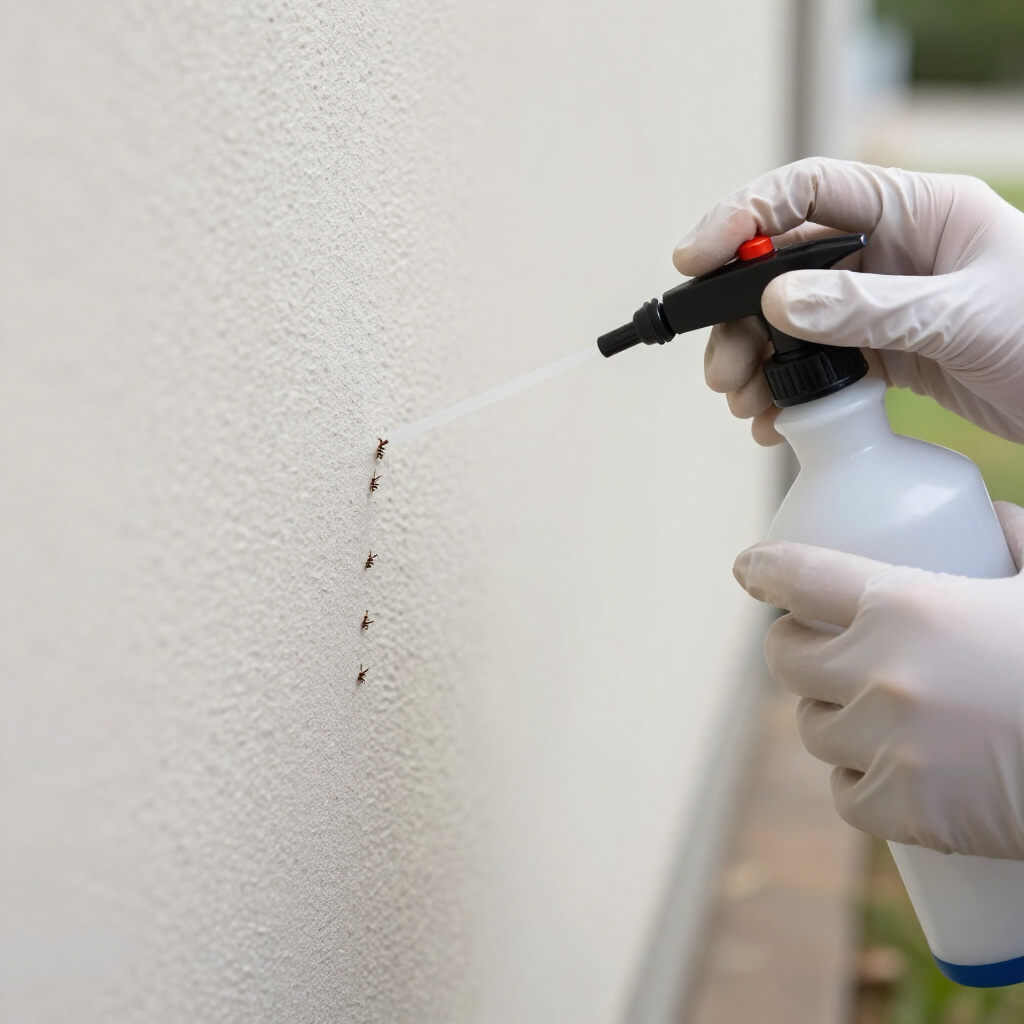


Finding an unexpected critter in your home can turn a peaceful evening into a stressful scramble. Whether it's a line of ants marching across your kitchen counter or the telltale scratching sounds behind the walls, household pests are more than just a nuisance—they can damage your property, contaminate your food, and even pose health risks to your family. The good news? Most infestations are entirely preventable with the right knowledge and a proactive approach. In this guide, we'll walk through the most common household pests and share practical, proven strategies to keep them outside where they belong.
Most Common Household Pests and How to Prevent Them
Understanding which pests you're most likely to encounter is the first step toward effective prevention. Each region has its own cast of characters, but certain invaders show up in homes across the country with remarkable consistency. Let's look at the usual suspects and what makes them tick.
Ants top nearly every list of household complaints. These tiny foragers enter through the smallest cracks, drawn by even microscopic traces of food. Sugar ants raid pantries, while carpenter ants pose a more serious threat by tunneling through damp wood. Prevention starts with impeccable cleanliness—wipe counters daily, store food in sealed containers, and address moisture issues promptly. Seal entry points around windows, doors, and utility lines with silicone caulk. For persistent problems, trace their trails to find and treat the colony rather than just swatting at the visible workers.
Cockroaches rank among the most resilient and unwelcome guests. These nocturnal scavengers thrive in warm, humid environments with access to water and organic debris. Beyond the visceral disgust they inspire, roaches can trigger allergies and spread bacteria. Prevention demands eliminating their three requirements: food, water, and harborage. Fix leaky faucets, store garbage in sealed bins, and declutter areas where roaches hide—think cardboard boxes, stacks of paper, and tight spaces behind appliances. Regular deep-cleaning of kitchen cabinets and appliances makes your home far less appealing to these opportunists.
Rodents—mice and rats—cause outsized problems relative to their size. They gnaw through electrical wiring (creating fire hazards), contaminate food stores, and multiply with alarming speed. A single mouse can squeeze through a gap the width of a pencil. Prevention means inspecting your home's exterior for entry points, including gaps around pipes, vents, and foundation cracks. Steel wool and metal flashing work better than caulk alone, as rodents can chew through softer materials. Inside, eliminate food sources by using glass or metal storage containers and keeping pet food sealed overnight.
Termites operate silently but cause devastating structural damage before homeowners notice any signs. Subterranean termites build mud tubes to reach wood, while drywood varieties need no soil contact. Prevention focuses on moisture control and wood protection. Maintain proper drainage around your foundation, keep firewood and mulch at least 18 inches from your home, and ensure wooden siding doesn't contact soil. Annual professional inspections are invaluable—these experts spot early warning signs that untrained eyes miss entirely.
Spiders, while often beneficial predators of other insects, become pests when they establish dense populations indoors. Most household spiders pose no danger, though brown recluse and black widow species require caution. Prevention centers on reducing their prey base—fewer insects mean fewer spiders. Seal cracks, install tight-fitting screens, and reduce outdoor lighting that attracts the flying insects spiders hunt. Regular dusting and vacuuming of corners, basements, and storage areas removes both spiders and their egg sacs.
Mosquitoes turn yards into no-go zones and pose genuine health concerns. These pests need surprisingly little water to breed—think clogged gutters, saucers under potted plants, and children's toys left in the yard. Prevention is refreshingly straightforward: eliminate standing water weekly, maintain swimming pools properly, and keep vegetation trimmed to reduce resting sites. For persistent problems, consider larvicidal treatments in water features that can't be drained.
Bed bugs have resurged dramatically in recent decades, spreading through travel, secondhand furniture, and even shared laundry facilities. These nocturnal blood-feeders hide in mattress seams, box springs, and furniture crevices. Prevention requires vigilance: inspect hotel rooms before settling in, use protective encasements on mattresses, and carefully examine any used furniture before bringing it home. If you suspect an introduction, act immediately—these pests spread rapidly and resist many DIY treatments.
Fleas and ticks enter homes primarily through pets but quickly establish independent populations. These parasites transmit diseases to both animals and humans. Prevention combines pet treatments with environmental management: apply veterinarian-recommended preventatives year-round, vacuum frequently (especially where pets rest), and maintain your yard to reduce wildlife traffic. Wash pet bedding weekly in hot water to break flea life cycles.
Seasonal Pest Prevention Strategies
Pest pressures shift throughout the year, and aligning your prevention efforts with these patterns dramatically improves effectiveness. Spring brings ant swarms and termite activity as colonies expand—schedule inspections and seal entry points before temperatures rise. Summer peaks for mosquitoes, flies, and stinging insects; focus on moisture management and outdoor sanitation. Fall triggers rodent migration indoors seeking warmth—inspect and fortify your home's exterior before the first cold snap. Winter may seem quiet, but cockroaches and rodents remain active indoors, making continued vigilance essential.
Landscaping choices significantly impact pest pressure. Overhanging tree branches create highways for rodents and ants. Dense foundation plantings trap moisture and provide harborage. Mulch applied too thickly against structures invites termites. Strategic modifications—trimming vegetation back, using inorganic mulches near foundations, and maintaining proper grading—create a buffer zone that pests struggle to cross.
Key Tips for Long-Term Success
Effective pest prevention isn't about single dramatic actions but consistent habits integrated into your household routine. Store pantry items in airtight containers rather than original packaging. Empty indoor garbage nightly and keep outdoor bins sealed and away from walls. Address water leaks within 24 hours—dampness attracts far more than just termites. Inspect seasonal items and storage areas quarterly, disturbing potential harborage before populations establish.
Know when professional help becomes necessary. Recurring infestations despite your best efforts, signs of structural pests like termites, or any pest causing health concerns warrant expert intervention. Modern pest management emphasizes inspection, targeted treatments, and prevention over blanket pesticide applications. The right professional partners with you, identifying root causes and teaching sustainable practices rather than simply spraying and departing.
Documentation helps track patterns and measure progress. Note when and where you observe pest activity, what conditions preceded it, and which interventions worked. This record becomes invaluable for identifying vulnerabilities and communicating effectively with professionals if needed.
Final Thoughts
A pest-free home isn't about achieving impossible sterility—it's about making your space genuinely less hospitable to invaders while remaining comfortable for your family. The strategies outlined here work synergistically: exclusion prevents entry, sanitation removes attractions, and moisture control eliminates the conditions pests need to thrive. Start with the pest pressures most relevant to your situation and region, then expand your program as habits solidify. Remember that prevention requires infinitely less effort, expense, and stress than eliminating an established infestation. Your home represents a significant investment of resources and emotion; protecting it from household pests is simply good stewardship. With attention and consistency, you can enjoy peace of mind knowing that when evening falls, the only inhabitants stirring within your walls are the ones you invited.