
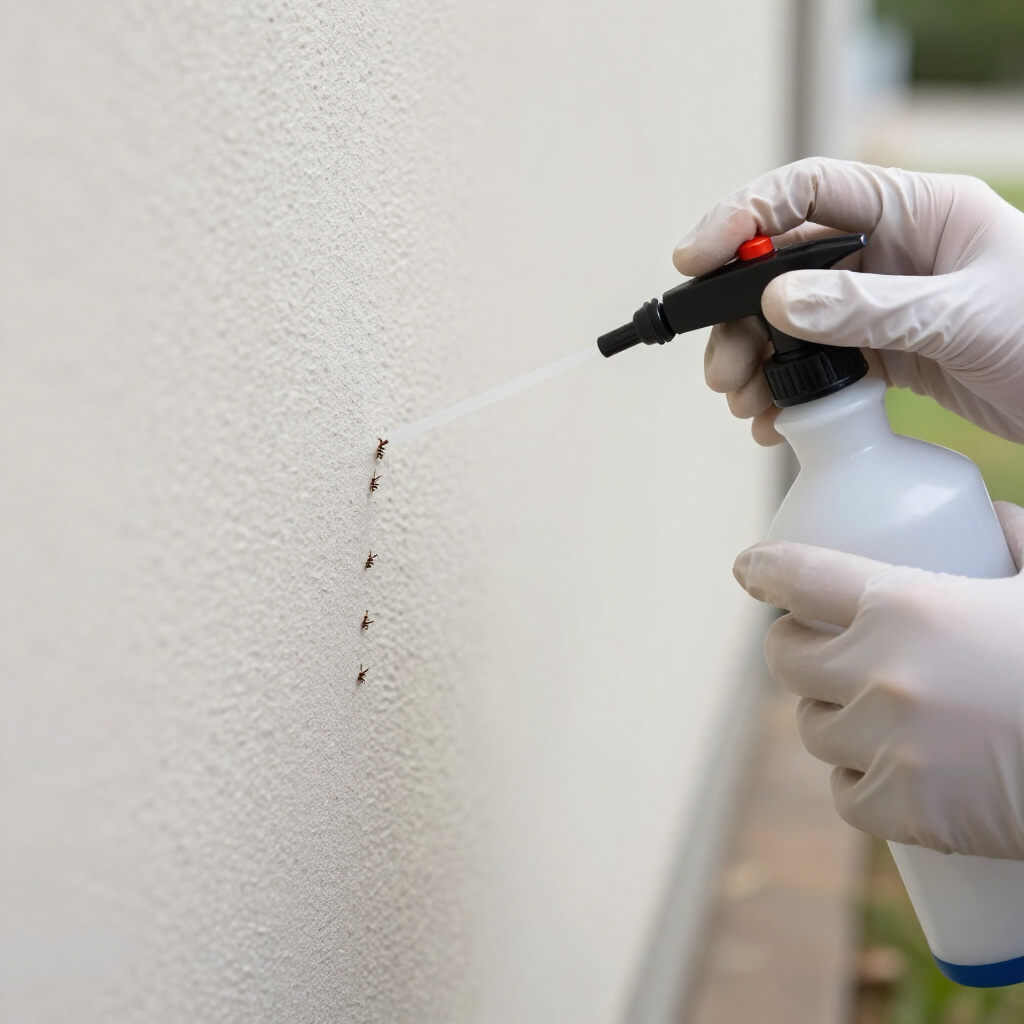


More homeowners than ever are looking for ways to protect their families and pets without relying on harsh chemicals. The good news? Natural pest control methods have come a long way from old wives' tales. When applied correctly, these approaches can effectively manage common household invaders while keeping your indoor environment safer and your garden thriving. The key is understanding which solutions work for specific pests and how to use them strategically for real results.
Natural Pest Control Methods That Actually Work in Your Home
Inside your home, prevention and targeted treatments form the foundation of successful natural pest management. Start by sealing entry points with caulk and weatherstripping—this simple step eliminates the pathways ants, spiders, and rodents use to access your living spaces. For active ant trails, food-grade diatomaceous earth creates an effective barrier; this fine powder damages the exoskeletons of crawling insects, leading to dehydration within 24-48 hours. Sprinkle it along baseboards, behind appliances, and anywhere you've spotted activity. For pantry moths and stored product pests, bay leaves tucked into flour containers and rice bins provide a time-tested repellent. The strong aromatic oils these leaves contain disrupt the scent trails insects follow to food sources. Replace leaves every few months for continued protection. When dealing with fruit flies, a small dish of apple cider vinegar covered with perforated plastic wrap traps adults effectively, breaking the reproduction cycle when combined with diligent removal of overripe produce. Essential oils offer another powerful tool when used properly. Peppermint oil diluted in water and sprayed along entry points repels spiders and mice—reapply weekly for consistent results. Tea tree and eucalyptus oils similarly deter a range of crawling insects. However, concentration matters; too strong a solution can irritate human respiratory systems, while too weak proves ineffective. A ratio of 10-15 drops per cup of water typically strikes the right balance.
Effective Natural Solutions for Gardens and Outdoor Spaces
Your outdoor spaces present different challenges but equally viable natural options. Companion planting stands as one of the most reliable long-term strategies. Marigolds release compounds from their roots that suppress nematodes in soil, while their strong scent confuses and repels aphids, whiteflies, and even rabbits. Nasturtiums act as trap crops, drawing aphids away from vegetables and making them easier to manage in concentrated areas. Beneficial insects represent your greatest ally in natural garden pest control. Ladybugs, lacewings, and parasitic wasps prey on destructive pests without harming plants. You can attract these helpers by planting dill, fennel, cosmos, and yarrow—plants that provide the nectar and pollen predatory insects need. Avoid broad-spectrum insecticides entirely, as these eliminate both harmful and beneficial species indiscriminately. For immediate intervention, neem oil delivers proven results against chewing and sucking insects. Derived from the seeds of the neem tree, this botanical oil disrupts feeding and growth patterns in pests like aphids, scale, and caterpillars. Apply in early morning or evening to avoid leaf burn, and note that neem affects pests gradually rather than killing on contact. Patience and consistent reapplication every 7-14 days yield the best outcomes. Physical barriers complete your outdoor natural pest control toolkit. Floating row covers exclude cabbage worms and flea beetles from brassicas, while copper tape creates an unpleasant electrical charge that deters slugs and snails without killing them. Handpicking remains surprisingly effective for larger pests like tomato hornworms and Japanese beetles—drop them into soapy water and check plants every few days during peak season.
Key Tips for Maximizing Natural Pest Control Success
Natural methods require a shift in mindset from the instant-gratification approach of conventional pesticides. First, accurate identification matters enormously. The treatment that eliminates silverfish differs completely from what manages a carpenter ant colony. Take time to identify your pest correctly, either through extension service resources or by consulting a professional. Timing and consistency separate successful natural pest control from failed attempts. Most natural repellents require regular reapplication, especially after rain or watering. Mark your calendar for weekly touch-ups during problem seasons rather than waiting to see pests return. Similarly, traps work only when checked and emptied frequently—neglected traps become breeding grounds themselves. Combine multiple methods for robust protection. No single natural solution handles every situation. An integrated approach pairing physical barriers, biological controls, and botanical treatments addresses pests from multiple angles and prevents the resistance that can develop when relying on one tactic alone. Finally, maintain realistic expectations about complete elimination versus manageable control. Natural pest control often reduces populations to acceptable thresholds rather than eradicating every individual. This balanced outcome protects your plants and home while preserving the ecological relationships that support long-term garden health.
Final Thoughts
Natural pest control methods that actually work are available for nearly every common household and garden pest. Success comes from choosing the right approach for your specific situation, applying it consistently, and combining tactics for comprehensive protection. While these methods may demand more patience and attention than chemical alternatives, they reward that investment with safer spaces for children, pets, and beneficial wildlife. Start with prevention, add targeted natural treatments, and adjust your strategy based on results. When populations exceed what natural methods can reasonably manage, professional pest control services can integrate lower-toxicity options into a broader management plan—keeping your commitment to reduced chemical exposure intact while solving persistent problems effectively.