
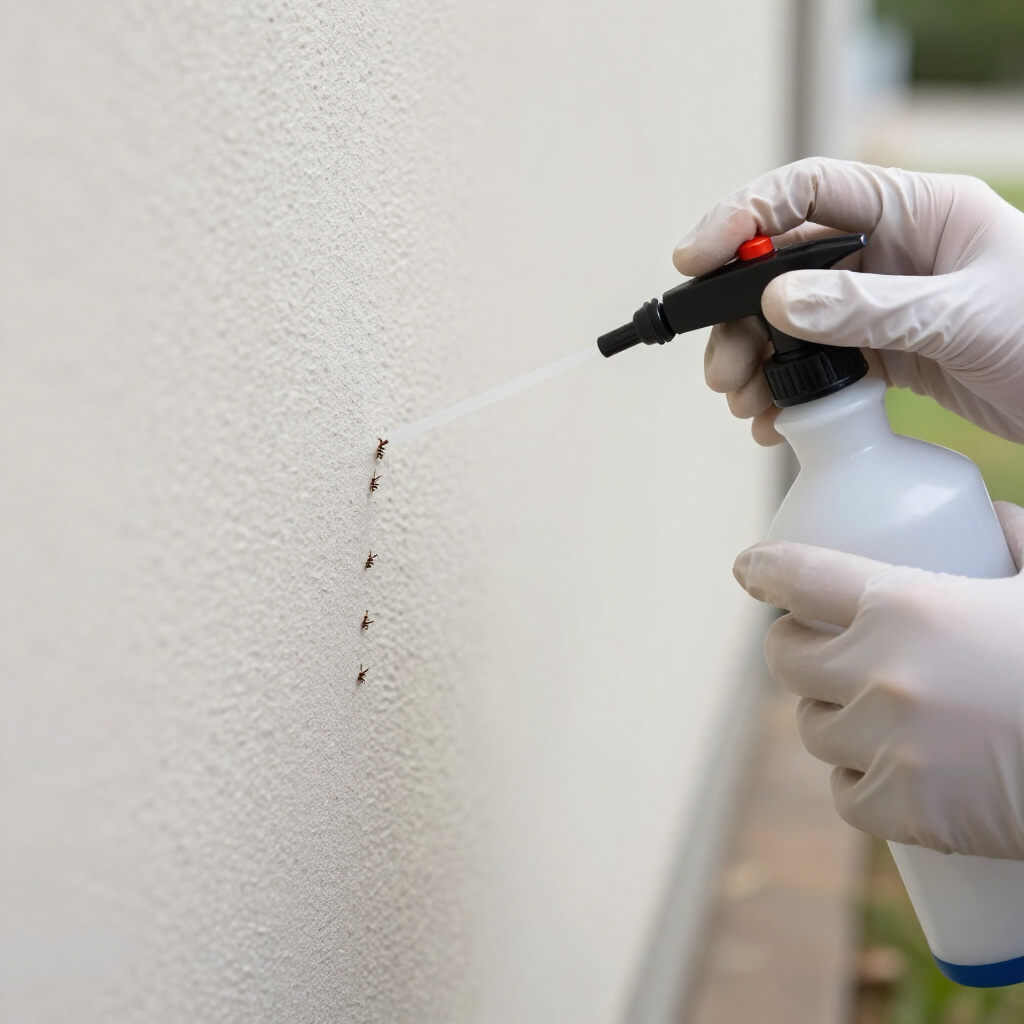


Pests don't take vacations, and neither should your prevention efforts. As the seasons shift, so do the habits of unwanted critters seeking shelter, food, and breeding grounds in and around your home. A reactive approach—waiting until you spot a problem—often means dealing with infestations that are already established and harder to eliminate. Instead, a proactive, season-by-season pest control strategy keeps you ahead of the curve, protecting your property and peace of mind year-round. Here's your practical seasonal pest control checklist for homeowners to stay one step ahead.
Spring: Awakening and Entry Points
As temperatures rise, dormant pests emerge with renewed activity. Ants begin their determined march toward food sources, termites swarm to establish new colonies, and overwintering insects like stink bugs and lady beetles start stirring inside your walls. This is arguably the most critical season for laying defensive groundwork.
Start your spring pest control checklist with a thorough exterior inspection. Walk your property and seal cracks around windows, doors, utility penetrations, and foundation gaps with quality silicone caulk or appropriate sealants. Replace damaged weatherstripping and ensure door sweeps make proper contact with thresholds. Clean gutters and downspouts to prevent moisture accumulation that attracts pests. Trim shrubs and tree branches back at least 12 inches from your home's exterior to eliminate bridges for crawling insects.
Inside, focus on moisture control—repair leaky faucets, improve ventilation in crawl spaces and attics, and address any standing water issues. Store pantry items in airtight containers and establish a regular cleaning routine that eliminates crumbs and food residue. If you notice mud tubes on foundation walls, discarded wings near windowsills, or hollow-sounding wood, contact a professional immediately for termite evaluation.
Summer: Peak Activity and Outdoor Defense
Summer brings peak pest pressure. Mosquitoes breed in standing water, wasps construct nests under eaves and deck railings, fleas and ticks thrive in lawns, and flies invade outdoor living spaces. Your seasonal pest control checklist shifts toward active management and outdoor vigilance during these months.
Implement weekly yard maintenance: mow grass to appropriate heights, eliminate leaf litter and debris, and inspect after rainstorms for new standing water in plant saucers, birdbaths, clogged drains, or low spots. Consider aerating compacted lawn areas where ants and grubs flourish. For outdoor gatherings, position fans strategically—flying insects struggle in breezy conditions.
Inspect your home's exterior monthly for new wasp or hornet nest construction, addressing small nests early before they grow dangerous. Check window screens for tears and repair promptly. Maintain your garbage area meticulously: use bins with tight-fitting lids, clean containers regularly, and position them away from immediate house walls. If mosquitoes persist despite elimination efforts, evaluate whether professional barrier treatments or larvicide applications suit your property's needs.
Fall: The Invasion Prevention Window
Fall represents your last best opportunity to prevent overwintering pests from establishing indoor harborage. As daylight shortens and temperatures drop, rodents, boxelder bugs, cluster flies, and spiders actively seek winter sanctuary. The work you do now determines whether you'll share your home with unwanted guests through the colder months.
Conduct your most intensive exclusion effort of the year. Inspect the roofline for gaps where soffits meet siding, and where utilities enter. Install chimney caps and vent covers with appropriate mesh sizing. Seal larger gaps with copper mesh, steel wool, or hardware cloth before caulking—rodents can compress through remarkably small openings and will chew through inadequate materials. Replace or repair damaged roof shingles and fascia boards.
Inside, declutter storage areas where rodents and insects could nest undisturbed. Store firewood at least 20 feet from your home and elevate it off the ground. Continue your moisture management efforts, as damp basements and crawl spaces attract pillbugs, centipedes, and silverfish. Consider whether professional exterior perimeter treatments before the first hard freeze provide worthwhile supplemental protection for your specific property and regional pest pressures.
Winter: Monitoring and Maintenance
Pest activity slows but doesn't cease during winter. Rodents that established indoor access in fall now forage actively, cockroaches continue thriving in heated interior spaces, and overwintering insects may emerge on warm days, confused by indoor temperatures. Your seasonal pest control checklist becomes about vigilance and maintenance.
Maintain your inspection routine: check attic spaces and basements monthly for droppings, gnaw marks, or nesting materials. Listen for scratching sounds in walls or ceilings, particularly at dawn and dusk. Keep storage areas organized with items in sealed plastic containers rather than cardboard, which serves as both food source and nesting material for rodents.
Avoid introducing pests through holiday traditions. Inspect firewood before bringing it indoors, and keep quantities small—only what you'll burn immediately. Examine Christmas trees, wreaths, and greenery for spider egg sacs, praying mantis cases, or aphid colonies. When unpacking seasonal decorations stored in garages, basements, or attics, inspect for rodent damage or pest evidence before distributing items throughout your living spaces.
Key Tips for Year-Round Success
Effective pest management extends beyond seasonal tasks into consistent habits. Integrate these practices into your ongoing home maintenance routine for compounding protection.
First, maintain detailed records of your inspections, treatments, and any pest observations. Documentation helps identify patterns, track whether previous interventions succeeded, and provides valuable information if you eventually need professional consultation. Note dates, locations, pest types, and conditions like recent weather or home modifications.
Second, resist over-reliance on DIY pesticide applications. Misused products can drive pests deeper into harborage, create resistance issues, pose health risks to family and pets, and violate label instructions that carry legal weight. When situations exceed your comfort or capability—extensive termite evidence, large or inaccessible wasp nests, persistent rodent activity despite exclusion efforts, or any pest affecting sensitive individuals—engaging qualified pest control professionals proves more effective and often more economical than prolonged unsuccessful self-treatment.
Third, coordinate with neighbors when possible, particularly in attached housing or dense neighborhoods. Pests don't respect property lines, and collective prevention efforts amplify individual results. Share information about emerging issues and consider synchronized professional treatments for communal pest problems.
Final Thoughts
A well-executed seasonal pest control checklist transforms overwhelming year-round challenges into manageable, scheduled tasks. By aligning your prevention and monitoring efforts with natural pest behavior patterns, you minimize surprises, reduce the need for reactive treatments, and maintain a genuinely comfortable home environment. The investment of time each season pays dividends in avoided damage, protected health, and the simple reassurance that you're not sharing your space uninvited. Start with this season's priorities today, and build a sustainable rhythm that keeps your home protected through every month ahead.