

Termites are often called "silent destroyers" for good reason. These tiny pests can chew through wood, flooring, and even wallpaper undetected for months or years, causing thousands of dollars in damage before you ever realize they're there. By the time most homeowners spot obvious signs, extensive damage has already occurred. Knowing the early warning signs of a termite infestation gives you the best chance to stop these invaders before they compromise your home's structural integrity.
Common Signs You May Have Termites in Your Home
Recognizing the subtle indicators of termite activity can save you from costly repairs down the road. Here are the most telling signs that termites may have taken up residence in or around your property.
Mud tubes on exterior walls or foundations. Subterranean termites—the most common and destructive species—need moisture to survive. They build pencil-thin mud tubes from soil, wood debris, and their own saliva to travel between their underground colony and your home's wooden structures. These protective tunnels shield them from dry air and predators. Check along your foundation, in crawl spaces, around plumbing penetrations, and in basements for these telltale pathways. Breaking open a mud tube and finding live, pale insects confirms active termites.
Hollow-sounding or damaged wood. Termites consume wood from the inside out, leaving a thin veneer of paint or wood on the surface. Tap on baseboards, window sills, door frames, and wooden flooring with the handle of a screwdriver. If areas sound hollow or papery, termites may have been feeding inside. You might also notice wood that appears crumbling, has maze-like patterns just beneath the surface, or feels soft and easily penetrated when probed.
Discarded wings near windows, doors, or light sources. Swarmers—reproductive termites with wings—emerge from mature colonies to mate and establish new colonies. After their brief flight, they shed their wings. Finding piles of translucent, equal-sized wings (often described as looking like fish scales) indicates that a colony is nearby, possibly inside your home. This typically happens in spring, though timing varies by species and region.
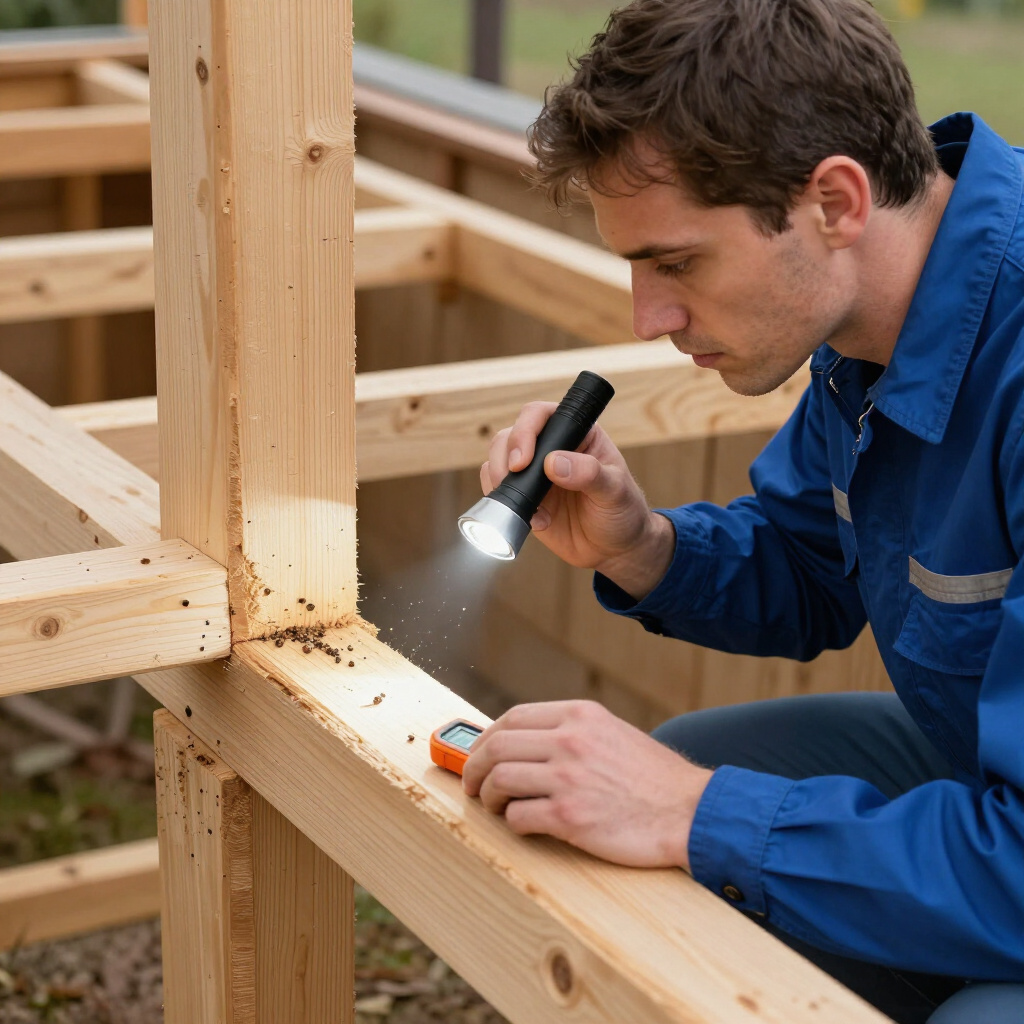
Frass: termite droppings. Drywood termites push their fecal pellets out of small kick-out holes in the wood they're infesting. These tiny, hexagonal pellets accumulate in small piles beneath infested areas and resemble sawdust or coarse sand. Unlike subterranean termites, drywood species do not use mud tubes, so frass often becomes the most visible sign of their presence.
Buckling paint or tiny holes in drywall. As termites tunnel through drywall or the wood behind it, they can create subtle damage that shows through. Look for paint that bubbles, cracks, or appears water-damaged without an obvious moisture source. Pinpoint holes in drywall—sometimes with a bit of dirt around them—may indicate termites breaking through the surface.
Sagging floors, ceilings, or warped door and window frames. As structural wood becomes compromised by termite feeding, it loses strength. Doors and windows may become difficult to open or close as frames warp. Floors might feel springy or sag in certain areas. Ceilings can develop cracks or begin to bow. While these issues have multiple potential causes, termite damage should always be considered, especially when accompanied by other warning signs.
Less Obvious Indicators of Termite Problems
Beyond the classic signs, some subtler clues warrant attention. A faint, mildew-like odor sometimes accompanies large infestations. You might hear quiet clicking or rustling sounds within walls as worker termites move through tunnels and soldiers tap their heads to signal danger. Tight-fitting doors and windows that suddenly stick can result from moisture introduced by termite activity warping the wood.
Outdoors, look for dead trees, stumps, or fallen branches with hollow centers. Wood fences, deck posts, and mulch beds placed too close to your foundation create attractive bridges for termites seeking entry. Even stacks of firewood or lumber stored against your home's exterior can harbor hidden colonies.
What to Do If You Suspect Termites
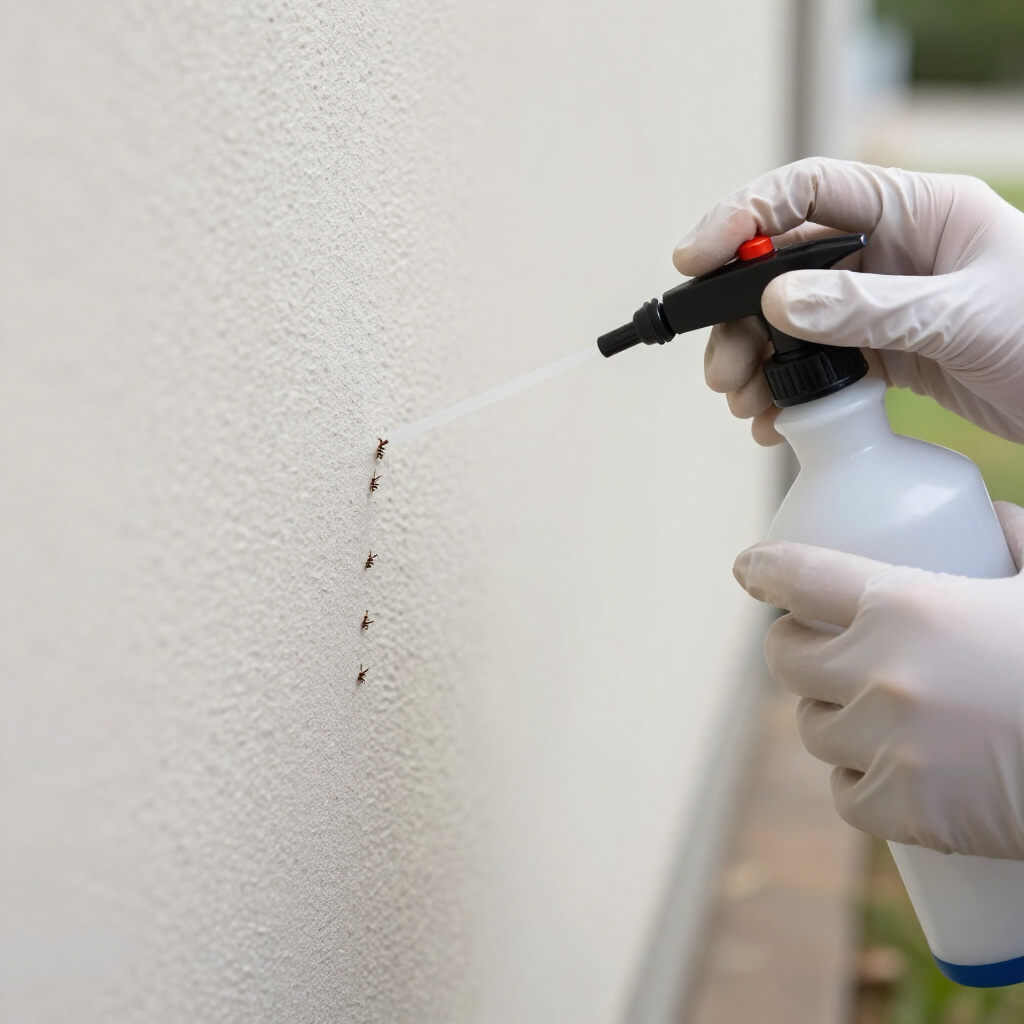
Early intervention is critical when dealing with termites. If you notice any combination of these signs, resist the urge to disturb visible mud tubes or attempt DIY treatments. Disrupting their pathways can cause termites to retreat deeper into hidden areas of your home, making professional treatment more challenging.
Instead, schedule a professional inspection promptly. Licensed pest control technicians have the training, tools, and experience to confirm termite presence, identify the species, assess damage extent, and recommend appropriate treatment options. Modern termite control includes liquid soil barriers, baiting systems, and targeted wood treatments—each suited to different infestation types and home constructions.
Even if you don't currently see signs of termites, annual professional inspections provide valuable peace of mind. Many homeowners insurance policies exclude termite damage, making prevention and early detection your strongest financial protection.
Final Thoughts
Termites cause more property damage annually than fires, floods, and storms combined—and none of it is covered by standard insurance. The signs you may have termites aren't always dramatic, but they are discoverable if you know what to watch for. Regular visual checks around your home's perimeter, attentive observation of structural changes, and professional annual inspections form your best defense against these persistent pests. Spotting the warning signs early transforms a potentially devastating infestation into a manageable problem, preserving both your home's value and your peace of mind.