

Some household problems can be solved with a trip to the hardware store and a free weekend. Others quietly grow worse while you wait. Knowing the difference between a minor nuisance and a situation that demands professional expertise can save you time, money, and a great deal of frustration. Pests rarely announce the full extent of their presence, and by the time you notice visible damage, the underlying problem is often far more extensive than it appears.
When to Call a Pest Control Professional
Understanding when to call a pest control professional starts with recognizing that pests operate on timelines very different from our own. A single mouse in the kitchen in October might represent a colony well-established in your walls. A few ants on the counter in spring could signal a satellite colony with thousands of members tunneling through your home's structure. The moment you notice recurring pest activity despite your own efforts, professional evaluation becomes warranted.
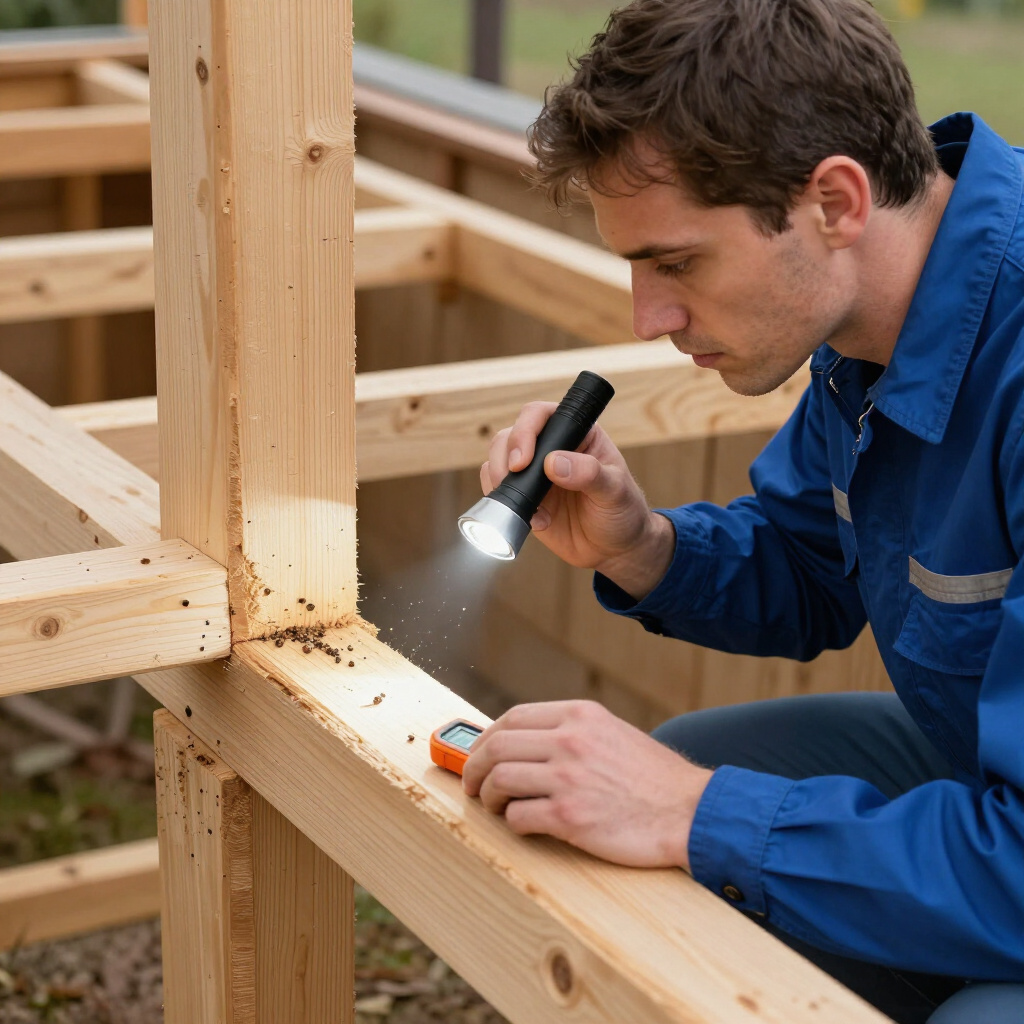
Structural threats represent one of the clearest signals. Termites, carpenter ants, and powderpost beetles compromise the integrity of your home silently. By the time you spot sagging floors, hollow-sounding wood, or visible tunnels, significant damage has already occurred. A pest control professional can identify early infestation signs that untrained eyes miss—mud tubes in foundation cracks, discarded wings near windowsills, or frass that looks like harmless sawdust.
Health risks elevate any pest concern to professional territory. Rodents spread hantavirus, salmonella, and leptospirosis through droppings and urine. Cockroaches trigger asthma and allergies, particularly in children. Bed bugs cause sleep deprivation and secondary skin infections from scratching. Ticks and mosquitoes in your yard create ongoing disease exposure. When pests threaten your family's wellbeing, DIY approaches rarely address the full scope of risk.
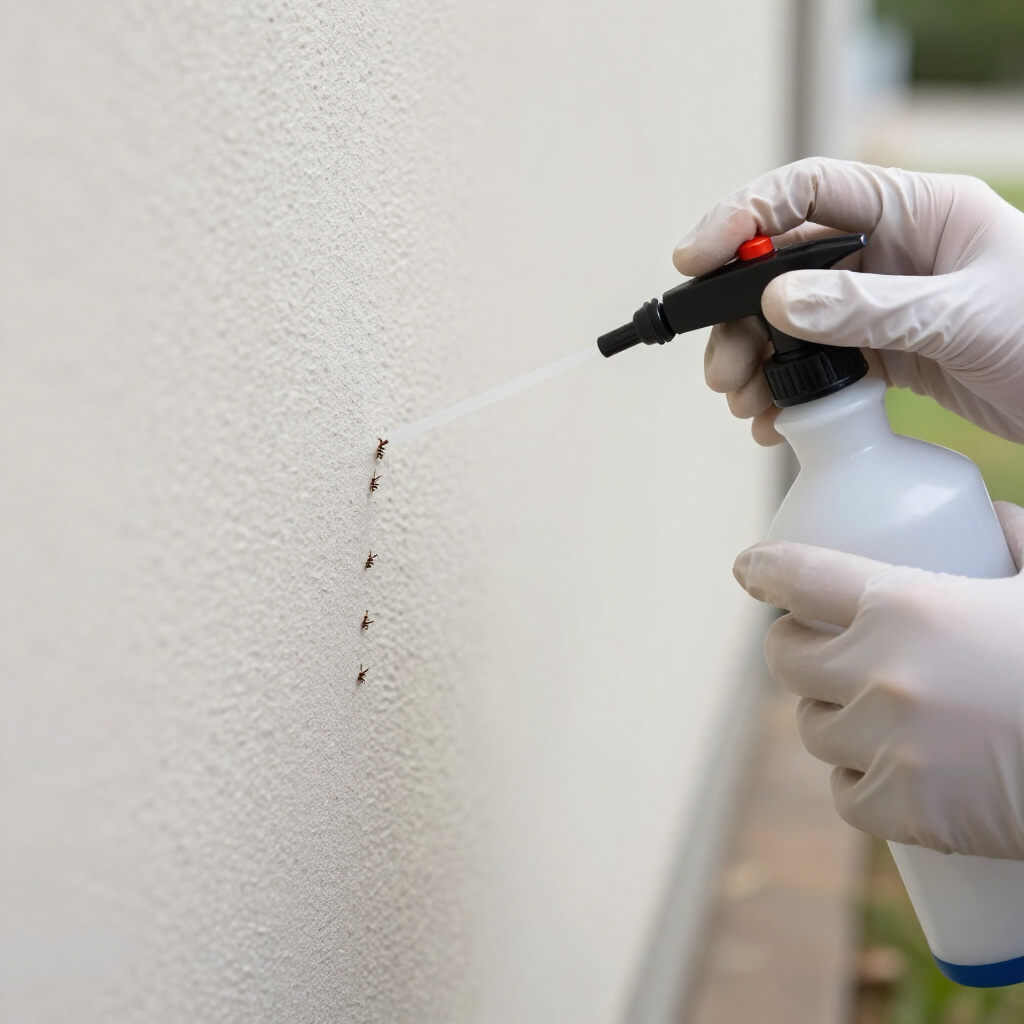
Recurring infestations despite repeated self-treatment strongly indicate that you're addressing symptoms rather than causes. Store-bought sprays might kill visible insects while leaving nests, eggs, and entry points untouched. Professional pest control services identify and seal access routes, eliminate breeding conditions, and implement targeted treatments that break reproduction cycles rather than merely reducing visible numbers temporarily.
Signs You've Waited Too Long
Certain indicators suggest that a pest problem has progressed beyond the window for simple resolution. Multiple pest species appearing simultaneously often means your home has developed conditions attractive to a range of invaders—excess moisture, available food sources, or structural vulnerabilities that create habitat for diverse populations. This complexity typically exceeds what generalized consumer products can address.
Nocturnal pests seen during daylight hours indicate population pressure has forced normally hidden animals into unusual behavior. A mouse or cockroach spotted in daytime likely represents many more concealed in walls, crawlspaces, or voids. Similarly, finding pests in multiple areas of your home—upstairs and downstairs, kitchen and bedrooms—suggests widespread establishment rather than isolated intrusion.
Property damage you can see always indicates more you cannot. Chewed electrical wiring creates fire hazards hidden in walls. Insulation contaminated by rodents loses effectiveness and releases particles into your air. Water damage from compromised exterior elements invites secondary pest problems. These interconnected issues require systematic assessment that professionals are equipped to provide.
What Professional Evaluation Actually Involves
Quality pest control begins with inspection, not treatment. Experienced technicians examine your home's exterior for foundation gaps, roofline vulnerabilities, and moisture problems. They assess interior spaces with tools and knowledge that reveal what remains hidden—thermal imaging for insulation disturbances, moisture meters for conducive conditions, and trained observation of subtle signs like grease marks, rub marks, and minor damage patterns.
Treatment plans developed from proper inspection address your specific situation rather than applying generic solutions. This might mean targeted baiting systems for ants, exclusion work combined with trapping for rodents, or whole-structure approaches for bed bugs or termites. Follow-up monitoring ensures effectiveness and catches any resurgence before it reestablishes.
Prevention guidance represents perhaps the most valuable long-term outcome. Professionals identify landscaping practices, storage habits, maintenance needs, and structural conditions that repeatedly invite pest problems. Implementing these recommendations reduces future dependency on reactive treatments and protects your investment in your home.
Key Tips
Document what you observe before contacting professionals. Note when and where you see pest activity, what you've already tried, and any patterns you've noticed. This information accelerates accurate diagnosis and appropriate response. Photograph damage, droppings, or the pests themselves when possible—species identification matters enormously for effective treatment selection.
Research providers thoroughly rather than selecting solely on price. Look for licensed, insured professionals with specific experience in your pest concern. Ask about their inspection process, treatment philosophy, guarantees, and follow-up protocols. The lowest initial quote often reflects minimal service that fails to resolve underlying problems, ultimately costing more through repeated treatments and ongoing damage.
Prepare your home honestly for inspection. Concern about judgment leads some homeowners to clean excessively before professionals arrive, removing the very evidence needed for accurate assessment. Pest control professionals have seen every situation; their focus is solving your problem efficiently, not evaluating your housekeeping.
Commit to the full recommended program even if initial results appear dramatic. Many effective treatments work progressively—baits carried to colonies, growth regulators that interrupt reproduction cycles, or exclusion work that takes time to prove complete. Abandoning treatment early invites reinfestation and can contribute to pesticide resistance in local pest populations.
Final Thoughts
The decision of when to call a pest control professional ultimately balances several factors: the pest species involved, the extent of apparent activity, the risks to health and property, and your own capacity for thorough, informed response. While many minor issues respond well to attentive homeowners, the hidden nature of most pest problems means that visible signs consistently understate true scope. Developing relationships with trusted pest control professionals before crises emerge allows for prompt consultation when concerns arise, often catching problems in earlier, more manageable stages. Your home represents significant investment and your family's sanctuary. Protecting both sometimes means recognizing that professional expertise, applied at the right moment, prevents the far greater costs of delayed response.