
How to Choose a Pest Control Professional in Washington
Washington, D.C. presents distinctive pest challenges that demand local expertise. The city's humid subtropical climate, combined with its mix of historic row houses, modern apartments, and abundant green spaces, creates conditions where rodents, cockroaches, bed bugs, and seasonal invaders flourish year-round. When selecting a pest control provider in District of Columbia County, prioritize companies with specific experience navigating the District's regulatory environment and building diversity.
Verify that any prospective company holds proper licensing through the D.C. Department of Energy and Environment. Ask whether technicians are trained in Integrated Pest Management (IPM) approaches, which emphasize prevention and targeted treatments over blanket pesticide applications—particularly important in a dense urban environment where families, pets, and wildlife share close quarters.
Consider responsiveness and coverage area carefully. Washington's traffic patterns and neighborhood density mean that a provider with technicians stationed within or immediately adjacent to the District can often deliver faster emergency service. Request references from properties similar to yours, whether that's a Capitol Hill historic home, a Shaw condominium, or a commercial building downtown.
What to Expect from Pest Control Services in Washington
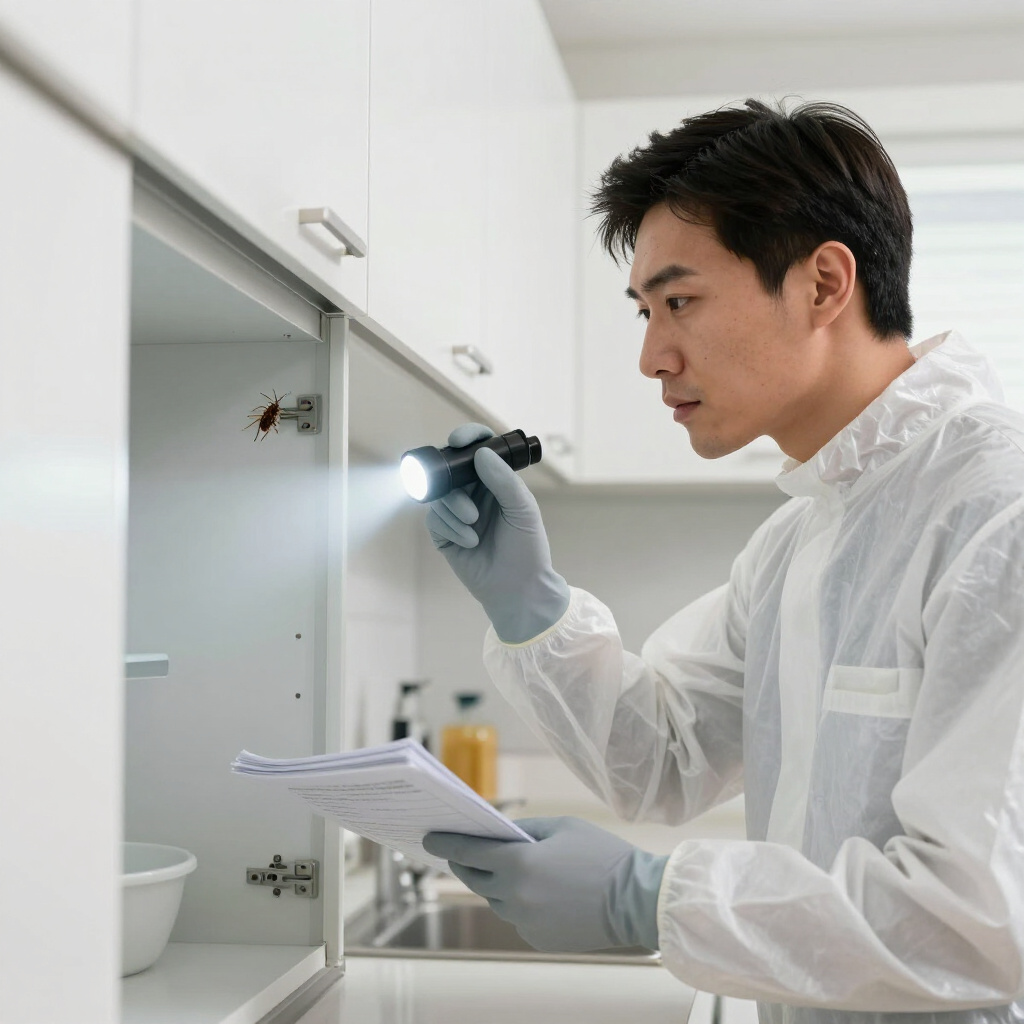
A professional pest control engagement typically begins with a thorough property inspection. In Washington, this assessment pays particular attention to common entry points: aging brick foundations, gaps around utility lines, shared wall voids in multi-unit buildings, and landscaping that bridges the gap between outdoor harborage and indoor spaces.
Following inspection, your technician will identify the pest species present, evaluate infestation severity, and propose a customized treatment plan. This plan should specify which methods will be employed, any preparation required on your part, and a realistic timeline for results. Many Washington properties benefit from ongoing monitoring programs, especially those in areas with high rodent pressure near the National Mall's green corridors or adjacent to Rock Creek Park.
Treatment execution varies by pest and property type. Expect clear communication about safety protocols, re-entry intervals, and any ventilation requirements. Reputable providers schedule follow-up visits to assess effectiveness and adjust strategies—critical in a city where neighboring units or outdoor populations can quickly reinfest treated spaces.
Available Pest Control Services
Washington residents and property managers can access comprehensive pest management solutions tailored to urban conditions:
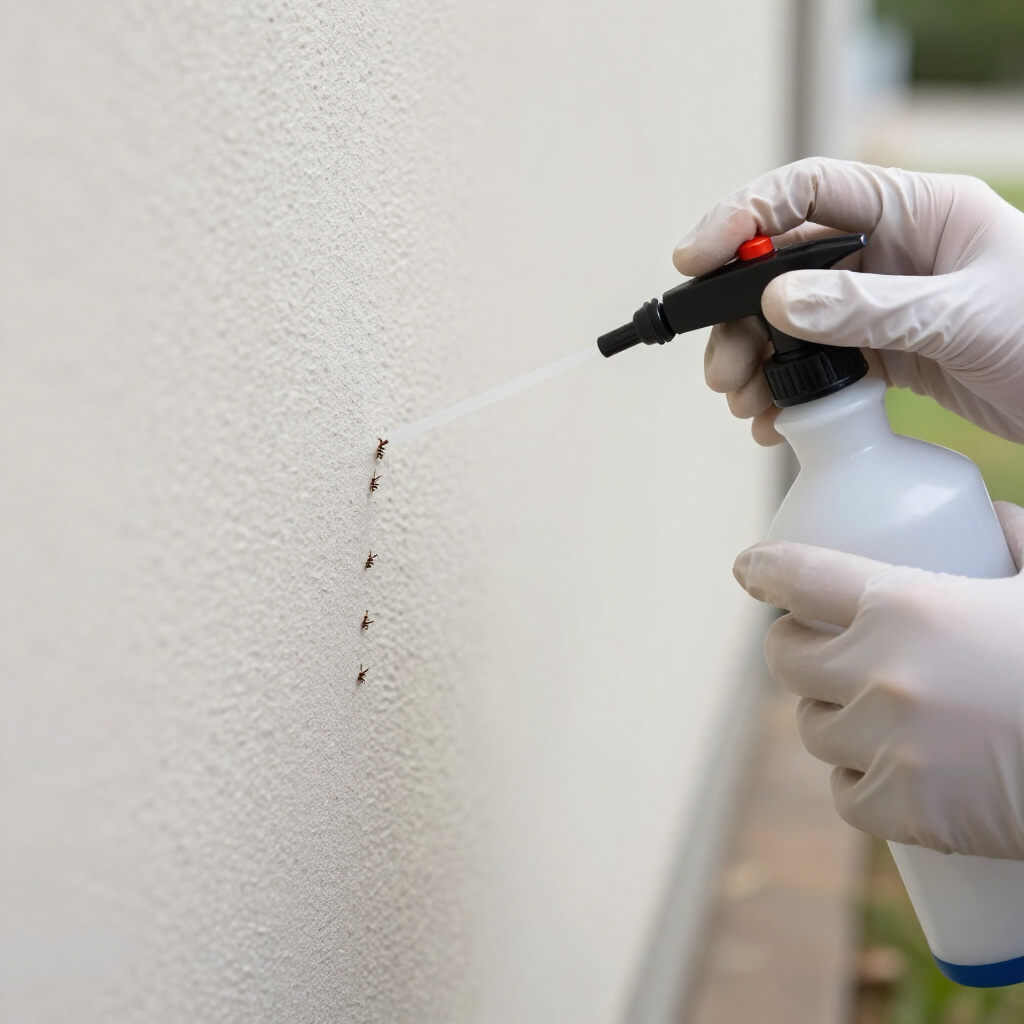
- Residential Pest Control — Protection for single-family homes, row houses, and apartments against common invaders including ants, cockroaches, spiders, and silverfish.
- Rodent Control & Exclusion — Targeted programs addressing Norway rats and house mice, with emphasis on entry point sealing and population reduction.
- Bed Bug Treatment — Specialized heat treatment and conventional chemical options for this persistent urban pest, with follow-up verification.
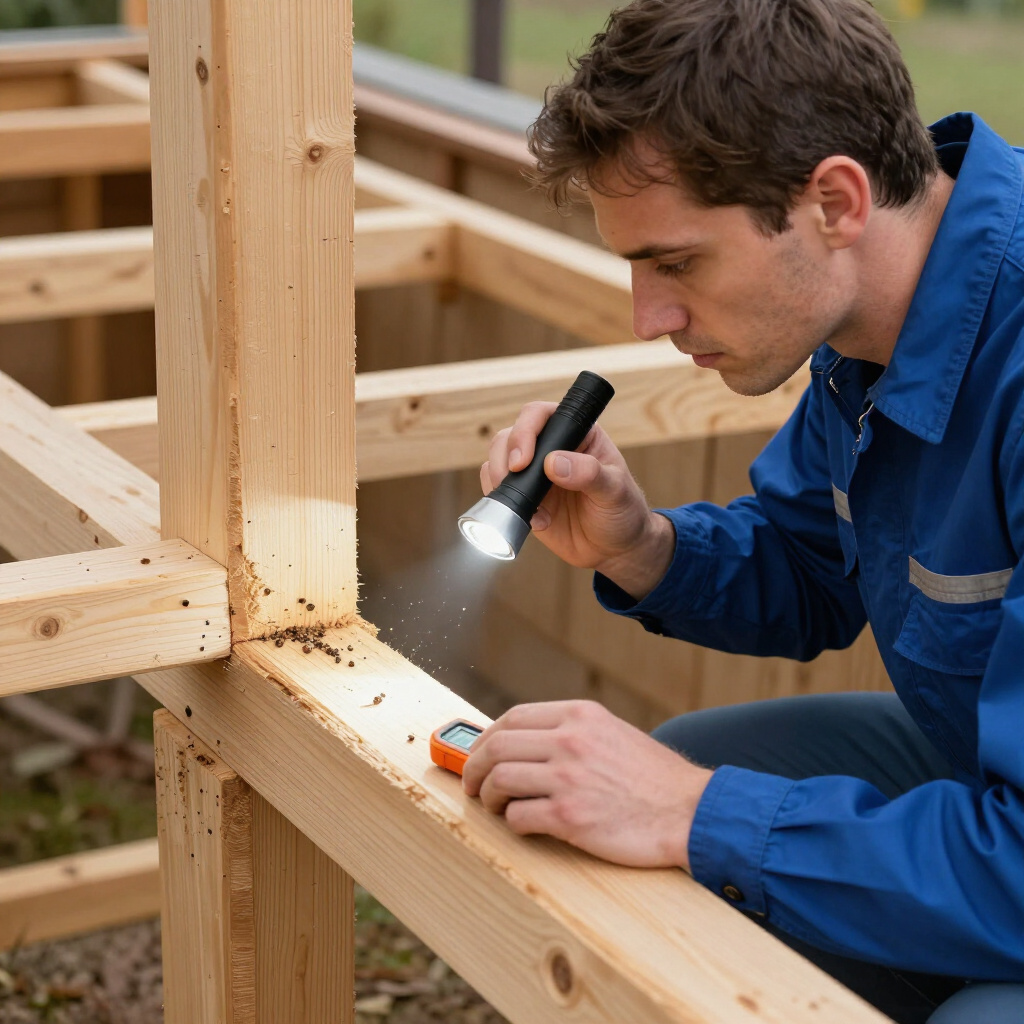
- Termite Inspection & Treatment — Detection and elimination of Eastern subterranean termites, including pre-treatment for renovations and real estate transactions.
- Mosquito & Tick Management — Seasonal yard treatments reducing biting pest populations, particularly valuable for properties near parks and wooded areas.
- Commercial Pest Control — Customized programs for restaurants, hotels, government buildings, and healthcare facilities with strict compliance requirements.
- Wildlife Management — Humane removal of raccoons, squirrels, and birds, with exclusion repairs preventing future access.
Frequently Asked Questions
How often should Washington homes receive pest control service?
Most urban properties in Washington benefit from quarterly preventive maintenance, though high-risk locations near parks, alleys, or construction zones may require monthly visits during peak seasons. Historic homes with original infrastructure often need more frequent monitoring.
Are pest control treatments safe for children and pets?
Licensed providers in D.C. utilize products and application methods that meet EPA safety standards. IPM-focused companies minimize chemical use through prevention and targeted spot treatments. Your technician should provide specific guidance about temporary precautions based on the treatment type selected.
Why do I keep seeing pests after treatment?
Initial activity sometimes increases briefly as pests are flushed from harborage areas. For social insects like ants and cockroaches, bait treatments require time for colony elimination. Persistent issues after two weeks warrant a callback inspection to evaluate whether additional measures or identification adjustments are needed.